
Underwater plasma cutting
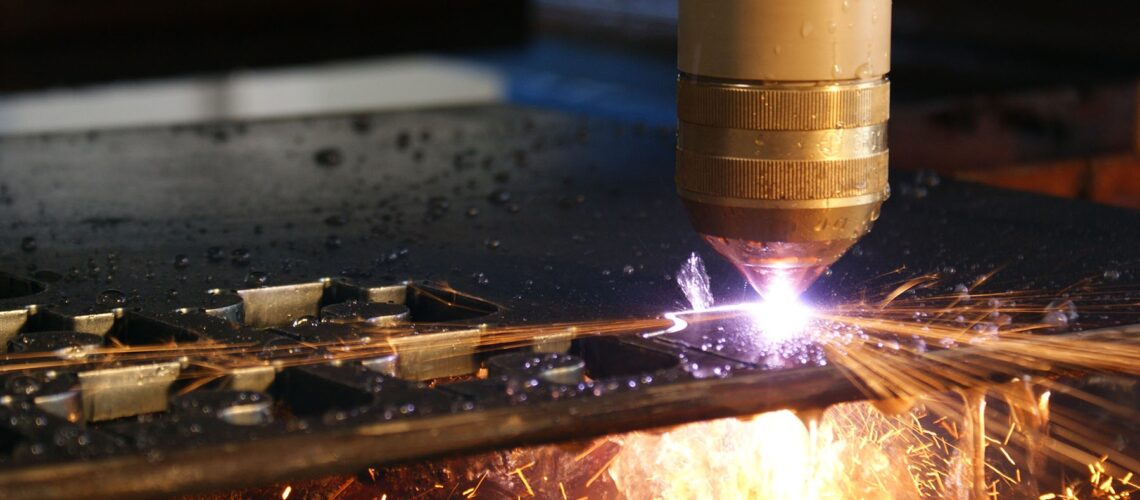
Underwater plasma cutting is a specialized method where the cutting torch and workpiece are submerged in water. The water acts as a coolant, noise suppressor, and fume controller, making the process safer, quieter, and cleaner compared to conventional or dry plasma cutting.
Specifications
-
Cutting Thickness Range
-
Standard capacity: 6mm – 75mm.
-
Heavy-duty systems can cut up to 150mm (6”) depending on power source.
-
-
Cutting Current (Amperage)
-
Typically 100A – 800A, depending on thickness and application.
-
-
Cutting Accuracy & Tolerance
-
Tolerance: ±0.5mm – 1.0mm.
-
Edge squareness: 2°–4° bevel angle.
-
Improved accuracy compared to conventional cutting because water stabilizes the arc.
-
-
Kerf Width (Cut Width)
-
1.5mm – 4mm depending on plate thickness.
-
-
Edge Quality
-
Cleaner edges with less dross compared to dry cutting.
-
Water reduces heat-affected zones (HAZ), preventing warping on thinner sheets.
-
-
Environmental & Safety Benefits
-
Noise reduction: Up to 90% quieter than dry plasma.
-
Fume suppression: Water absorbs smoke, dust, and harmful particles.
-
Cooler operation: Reduces heat distortion and extends consumable life.
-
-
Compatible Materials
-
Mild Steel
-
Stainless Steel
-
Aluminum
-
Alloy Steels
-
Applications
-
Shipbuilding and marine industries.
-
Heavy fabrication (bridges, tanks, pipelines).
-
Nuclear and environmentally sensitive projects (due to fume suppression).
-
Cutting thick steel plates with minimal distortion.