
Panel Saw Cutting
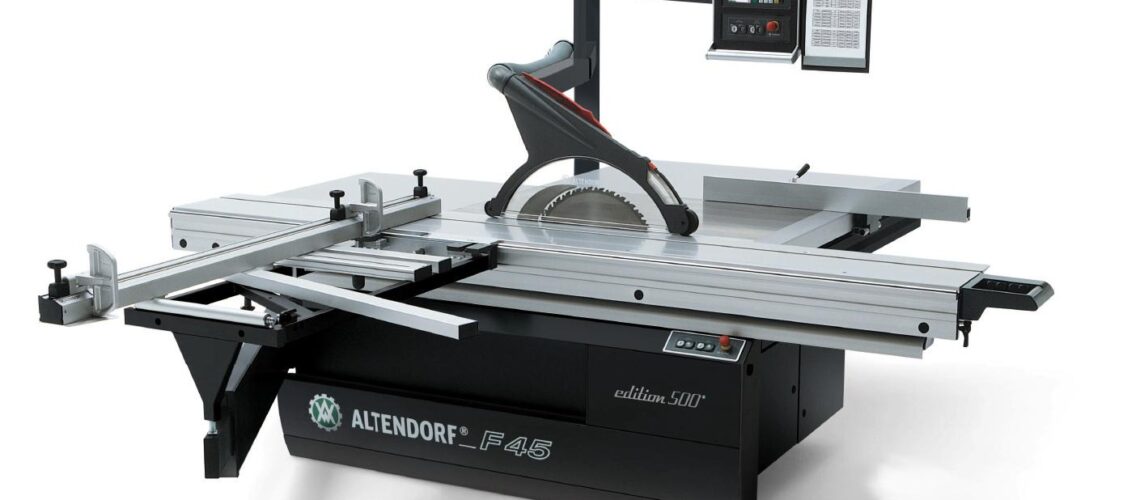
Panel Saw Cutting is a mechanical cutting process that uses a circular saw blade mounted on a fixed or sliding table to cut large sheets of material into precise panels. It is commonly used in woodworking, furniture making, construction, and signage industries for fast, accurate straight-line cuts.
Specifications
-
Cutting Thickness Range
-
Wood, MDF, Plywood, Laminates: up to 75mm (depending on blade size)
-
Plastics & Acrylic Sheets: up to 30mm
-
Aluminum Composite Panels (ACP) & Soft Metals: up to 10mm
-
-
Cutting Accuracy & Tolerance
-
High precision: ±0.5mm – 1mm
-
Best for straight-line cuts and right angles
-
Not suitable for curves or intricate designs
-
-
Cutting Speed
-
Fast and efficient for high-volume panel cutting
-
Faster than CNC routers for straight edge production
-
-
Edge Quality
-
Smooth edges on wood, laminates, and plastics
-
Minimal chipping when using the correct blade
-
Requires polishing/finishing for acrylic and ACP in some cases
-
-
Compatible Materials
-
Wood, MDF, Plywood, Laminates
-
Plastics & Acrylic Sheets
-
Aluminum Composite Panels (ACP)
-
Light metals (with specialized blades)
-
-
Panel Size Handling
-
Standard industrial panel saws: up to 3200mm x 2100mm
-
Sliding table saws allow handling of large-format sheets
-
Applications
-
Cabinetry and Furniture Manufacturing
-
Woodworking workshops (plywood, MDF, chipboard cutting)
-
Acrylic and plastic sheet cutting for displays and signage
-
Construction panels (ACP cladding, partition panels, doors)
-
Bulk panel preparation before finishing or CNC detailing